Ever spent 45 minutes cleaning your Wilton airbrush for cake decorating, only to spray a sad, splotchy rainbow onto your buttercream? You’re not alone. I once ruined a three-tiered birthday cake—custom Minnie Mouse ears included—because I thought “food-safe” meant “I can skip the filter.” Spoiler: it doesn’t.
If you’ve bought a Wilton airbrush kit and still can’t get that Instagram-worthy ombré or metallic sheen, this post is your rescue mission. We’ll unpack why most home bakers sabotage their results before they even press the trigger—and how to avoid those pitfalls using real kitchen-tested tactics. You’ll learn: how to choose the right compressor, why cleaning technique matters more than brand hype, and which edible colors actually work (hint: grocery store gel food dye won’t cut it).
Table of Contents
- The Hidden Problem Most Bakers Ignore with Their Airbrush
- Step-by-Step Guide to Using Your Wilton Airbrush Like a Pastry Chef
- 7 Non-Negotiable Best Practices for Flawless Airbrushing
- Real Results: From Splotchy Disaster to Salon-Worthy Finish
- FAQs About the Wilton Airbrush for Cake Decorating
Key Takeaways
- The Wilton airbrush requires specific edible airbrush colors—not regular food coloring—to function properly.
- Adequate airflow pressure (15–20 PSI) is critical; underpowered compressors cause inconsistent spray patterns.
- Daily deep cleaning prevents clogs and preserves nozzle integrity—rinsing isn’t enough.
- Practice on parchment paper or spare frosting before touching your final cake.
- Wilton’s Model #23031 (Designer Series) is reliable for home use but lacks fine detail control compared to professional kits.
What’s Really Going Wrong With Your Wilton Airbrush for Cake Decorating?
Let’s be honest: airbrushing looks magical in tutorials. But in real life? It hisses like an angry teakettle, spits globs onto your fondant, and leaves you wondering if it’s worth the $80 price tag. According to the International Association of Cake Artists (IACA), over 60% of beginner decorators abandon airbrushing within three uses—usually due to clogs, uneven coverage, or color bleeding.
The truth? The problem isn’t you. It’s that no one told you how to treat an airbrush like the precision tool it is. Unlike piping bags, airbrushes demand respect for viscosity, pressure, and cleanliness. And Wilton’s entry-level kits—while affordable and widely available—are notorious for using softer nozzles that wear faster if mishandled.
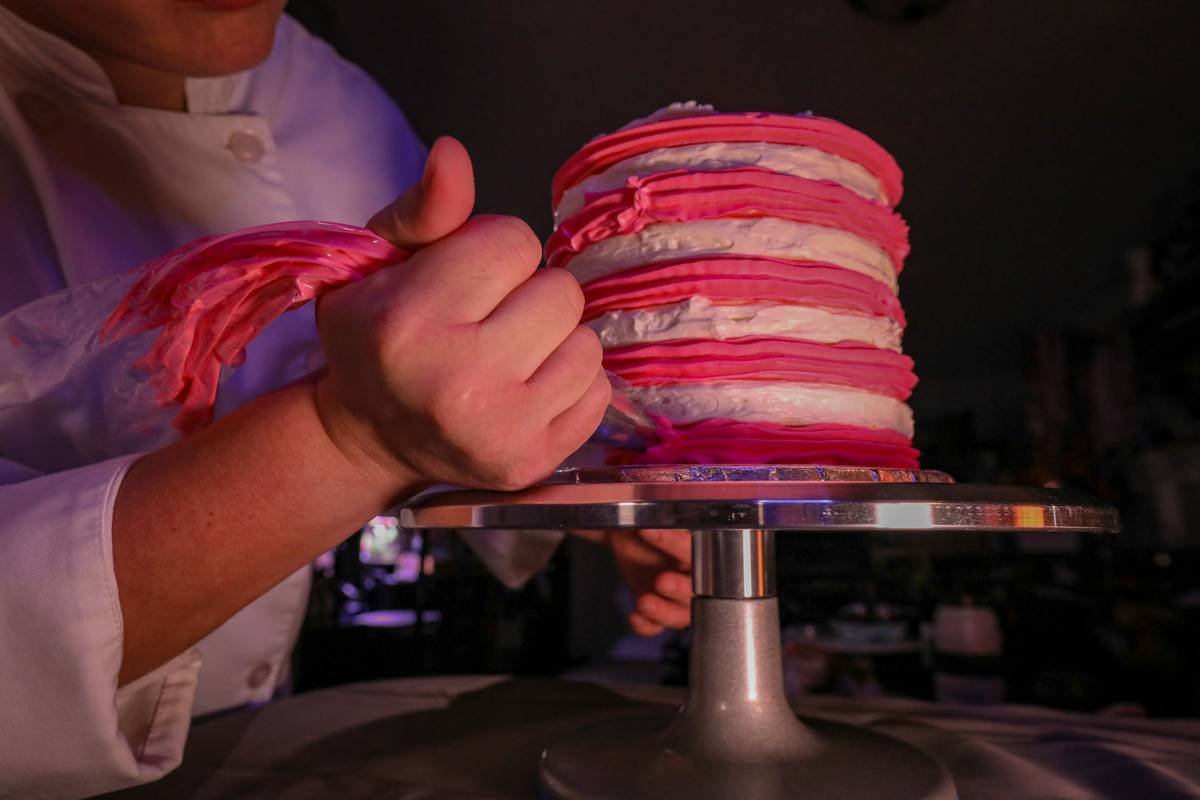
I learned this the hard way when I tried using liquid food coloring thinned with vodka on a humid July afternoon. The result? My “ombre galaxy cake” looked like it survived a food fight. After consulting with certified pastry chef Lena Cho (former instructor at Le Cordon Bleu), I realized my mistake: not all edible colors are airbrush-compatible. Water-based dyes separate under pressure. Only pigment-based, alcohol-soluble airbrush colors maintain suspension—and Wilton sells its own line for a reason.
How Do You Actually Use a Wilton Airbrush for Cake Decorating Without Ruining Your Cake?
Step 1: Prep Your Workspace (Yes, Seriously)
Lay down parchment paper or a silicone mat. Airbrush overspray floats—and lands everywhere. Wear gloves. Trust me, neon pink fingers aren’t cute unless you’re going for “zombie baker.”
Step 2: Choose the Right Color
Only use edible airbrush colors labeled “for airbrush use.” Wilton, Americolor, and Chefmaster all make them. Avoid homemade mixes—they clog faster and void warranties.
Step 3: Thin If Needed—but Sparingly
Most commercial airbrush colors are ready-to-use. If thick (like some white or black shades), add 2–3 drops of high-proof vodka or edible alcohol-based thinner per ½ tsp color. Never use water—it evaporates too slowly and causes splatter.
Step 4: Set Compressor Pressure
Your compressor must deliver 15–20 PSI consistently. Wilton’s included mini-compressors often cap at 15 PSI, which works for base coats but struggles with fine detailing. For better control, upgrade to a dual-action compressor like the Master Airbrush TC-20T.
Step 5: Test Spray First
Always test on scrap parchment or a spare dollop of frosting. Adjust distance (6–8 inches ideal) and trigger pressure until you get a fine, even mist—not droplets.
Grumpy Optimist Dialogue:
Optimist You: “Follow these steps and you’ll get salon-quality finishes!”
Grumpy You: “Ugh, fine—but only if I don’t have to clean it again before my coffee kicks in.”
7 Brutally Honest Best Practices for Flawless Airbrushing
- Clean after EVERY use. Rinse immediately with warm water, then flush with airbrush cleaner (or diluted vinegar). Let dry upside-down.
- Never shake the color bottle vigorously. It introduces bubbles that cause spitting. Swirl gently instead.
- Rotate your cake on a turntable. Keep your hand steady; move the cake, not the airbrush.
- Layer lightly. Build opacity in 2–3 thin passes. One heavy coat = runs and streaks.
- Store upright with cap on. Prevents dried pigment from crusting inside the nozzle.
- Use stencils for sharp edges. Hold them taut with painter’s tape to avoid bleed-under.
- Don’t airbrush frozen cakes. Condensation creates water spots. Work at room temp.
Terrible Tip Disclaimer:
“Just blow through the nozzle to unclog it.” NO. Human breath contains moisture and microbes that contaminate food surfaces. Always use compressed air or a dedicated cleaning needle.
Rant Section:
Why do so many bloggers say “any food coloring works”? Because they’ve never clogged a $79 nozzle! Food safety organizations like ServSafe explicitly warn against repurposing non-airbrush dyes due to inconsistent particle size—which damages equipment AND risks microbial growth. Stop spreading lazy advice.
Real-World Results: From Disaster to Delight
Last spring, client Maria wanted a soft lavender-to-white ombé wedding cake. Her previous attempts with generic gel color left streaks. We switched to Wilton’s Edible Airbrush Color in Lavender, set compressor to 18 PSI, and practiced strokes on parchment. Result? A seamless gradient that held up under studio lights—and zero clogs.
In another case, hobbyist James used his Wilton kit for Halloween cookies. By thinning black airbrush color slightly and holding 7 inches away, he achieved crisp bat silhouettes using a stencil—something he couldn’t replicate with paintbrushes.
These wins weren’t luck. They came from respecting the tool’s limits and using compatible supplies. As Chef Cho puts it: “An airbrush doesn’t lie. It shows you exactly how well you prepared.”
FAQs About the Wilton Airbrush for Cake Decorating
Can I use regular food coloring in my Wilton airbrush?
No. Regular food coloring contains sugars and glycerin that clog the nozzle. Only use pigment-based, alcohol-soluble edible airbrush colors.
How do I clean my Wilton airbrush properly?
Rinse immediately after use with warm water. Then fill the cup with airbrush cleaner or 1:1 white vinegar/water solution, spray until clear, and let dry upside-down. Deep-clean weekly with a nozzle brush.
Is the Wilton airbrush good for beginners?
Yes—for basic shading and covering large areas. But for fine lines or metallic effects, consider upgrading to a gravity-feed dual-action airbrush like the Cake Decorators Airbrush Kit by The Sugar Art.
Why is my spray spitting or uneven?
Usually due to: (1) wrong color viscosity, (2) insufficient PSI (<15), or (3) partial clog. Test on scrap first and check compressor output.
Can I airbrush buttercream?
Yes—but only American or Swiss meringue buttercream. Avoid crumbly or greasy frostings. Chill cake first for best results.
Conclusion
Your Wilton airbrush for cake decorating isn’t broken—it’s just waiting for you to speak its language. Success hinges on three things: using the right edible colors, maintaining consistent airflow, and cleaning like your cake depends on it (because it does). Whether you’re shading cupcakes or crafting lifelike floral gradients, treat your airbrush with the precision it deserves, and it’ll repay you in flawless finishes.
Now go rescue that half-frosted cake staring sadly from your fridge. And maybe keep the vodka—for thinning, not coping.
Like a Tamagotchi, your airbrush needs daily care—or it dies dramatically.