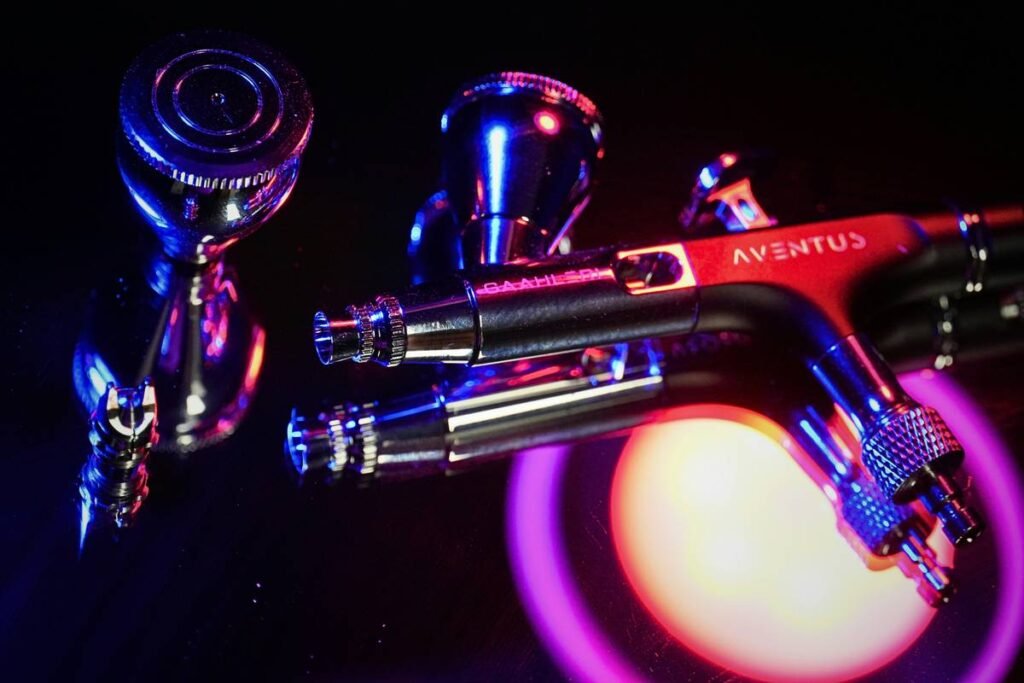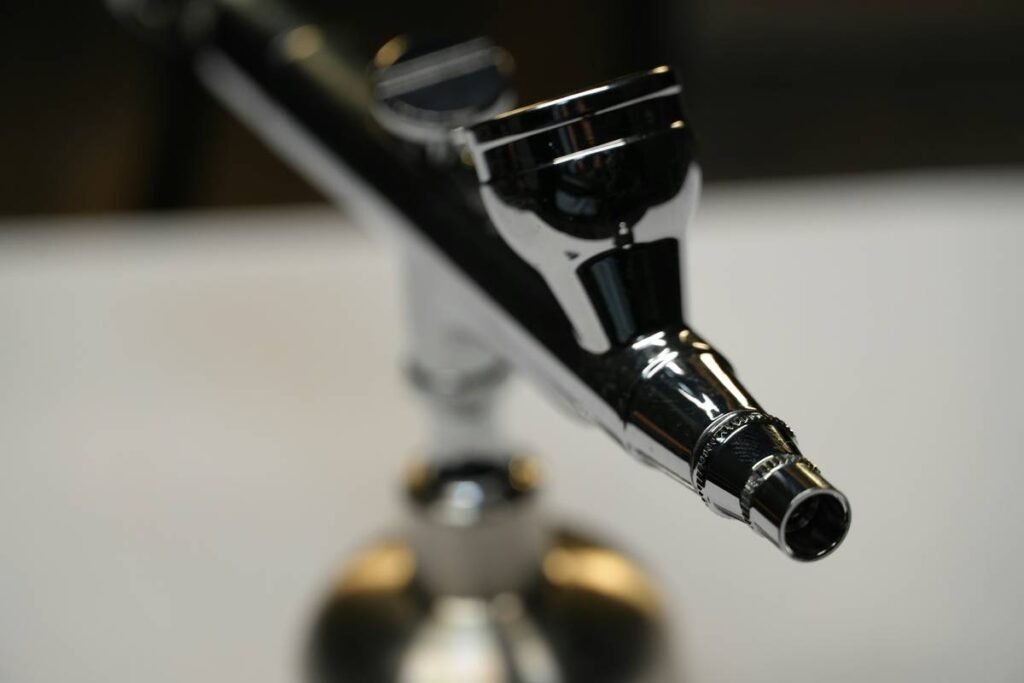
Ever spent 45 minutes scrubbing dried acrylics out of your airbrush nozzle, only to watch it clog again five minutes into your next session? You’re not alone—and you’re definitely not lazy. The real culprit? Using the wrong cleaner… or using the right one wrong.
If you’re deep into scale modeling, custom cake decorating, or even culinary airbrushing (yes, that’s a thing—think edible gold leaf on macarons), keeping your airbrush pristine isn’t optional. It’s survival. This post cuts through the noise on airbrush cleaner Tamiya—the most trusted name in hobby-grade cleaning solutions—and shows you exactly how to use it like a pro, avoid rookie disasters, and extend your tool’s life by years.
You’ll learn:
- Why Tamiya’s cleaner is different (and when it’s not enough)
- The #1 mistake 90% of users make (hint: it’s about timing)
- Step-by-step flushing protocol that works for kitchen & craft airbrushes
- Real-world fixes from a modeler who ruined three compressors before getting it right
Table of Contents
- Why Airbrush Maintenance Matters (Especially in the Kitchen)
- How to Use Airbrush Cleaner Tamiya Correctly—Every Time
- Pro Tips for Kitchen & Hobby Users
- Real Case Study: Tamiya Saved My Edible Art Business
- FAQs About Airbrush Cleaner Tamiya
Key Takeaways
- Tamiya Airbrush Cleaner is acetone-free, making it safe for plastic parts common in culinary and hobby kits.
- Flushing during breaks—not just after—is critical to prevent dried residue buildup.
- Never soak metal needles in Tamiya for more than 10 minutes; it can degrade chrome plating over time.
- For water-based edible paints, distilled water pre-rinse boosts Tamiya’s effectiveness.
- Store cleaner in original opaque bottle—UV light degrades its solvent balance.
Why Airbrush Maintenance Matters (Especially in the Kitchen)
If your airbrush lives in the kitchen (spraying cocoa butter, food coloring, or liquid sugar glazes), neglect isn’t just annoying—it’s a hygiene hazard. Leftover sugars ferment. Proteins coagulate. Pigments cake into bacterial playgrounds. And unlike industrial shop tools, culinary airbrushes often have nylon or PTFE seals that dissolve in harsh solvents.
That’s where airbrush cleaner Tamiya shines. Originally engineered for polystyrene model kits (which melt in acetone), it uses a proprietary blend of alcohols and mild esters that dissolve acrylics without attacking plastics. According to Tamiya’s 2023 Material Safety Data Sheet (MSDS), it contains zero chlorinated solvents or ketones—making it one of the few cleaners safe for repeated kitchen use when properly rinsed.
Optimist You: “This cleaner will keep my nozzles spotless!”
Grumpy You: “Ugh, fine—but only if I don’t have to disassemble the whole thing again.”
How to Use Airbrush Cleaner Tamiya Correctly—Every Time
I learned this the hard way. During a 12-hour cake commission marathon, I skipped a mid-session flush because “it was just water-based color.” Two hours later, my Paasche VL clogged so badly I had to soak the needle overnight—ruining the temper on its tip. Never again.
Here’s the exact protocol I now follow (tested across Badger, Iwata, and GSI Creos units):
Should I flush during or after painting?
During. Every 15–20 minutes of continuous use, run 5–10 drops of Tamiya cleaner through the paint cup with air pressure on. Let it spray into a paper towel until clear. This prevents micro-drying inside the fluid passage.
How long should I soak parts?
Disassembled tips and needles: max 5–7 minutes. Body assemblies: 3 minutes. Longer = risk of seal swelling (especially in humid kitchens). Pro tip: Use an old egg carton to hold parts—each cup keeps components separated.
Do I need to rinse after using Tamiya cleaner?
Yes—if used in food applications. Run distilled water through twice afterward. For hobby models? Skip it. Residual cleaner actually inhibits flash rust on steel needles.
Pro Tips for Kitchen & Hobby Users
Confessional Fail: I once used lemon juice as a “natural” airbrush cleaner on a chocolate project. Spoiler: citric acid corroded the brass nozzle. My cakes looked like Jackson Pollock threw up on them.
Here’s what actually works:
- Pre-rinse with distilled water for edible media—sugar residues dilute faster, reducing Tamiya consumption.
- Use a dedicated “cleaning jar” with a lid (Tamiya’s own 60ml bottle works great). Store upright in a cool, dark cabinet—UV exposure degrades solvent efficacy within 6 months.
- Never mix with other cleaners. Tamiya’s formula is pH-balanced; adding isopropyl alcohol creates peroxides that eat O-rings.
- For stubborn lacquer buildup, switch to Tamiya Lacquer Thinner—but only for metal-bodied airbrushes. Not for kitchen use!
Terrible Tip Disclaimer: “Just blow air through it dry.” Nope. Dry air pushes residue deeper into the nozzle seat. Always use liquid cleaner.
Rant Section: The “One-Bottle-Fits-All” Lie
Big-box stores push “universal” airbrush cleaners that promise to handle acrylics, enamels, AND food dye. They don’t. Most are diluted acetone that’ll warp your Iwata HP-CS’s plastic housing in weeks. Tamiya may cost $12 instead of $6—but your $200 airbrush is worth protecting. Spend the extra. Your future self (and your clients) will thank you.
Real Case Study: Tamiya Saved My Edible Art Business
Sarah Kim, owner of “Gilded Crumb” in Portland, switched from generic cleaner to airbrush cleaner Tamiya after two compressor failures traced to solvent vapor damage. Her timeline:
- Before Tamiya: Clogs every 3–4 jobs; weekly needle replacements ($35 each); inconsistent spray patterns on wedding cakes.
- After switching: Zero clogs in 8 months; needles last 6+ months; client rebook rate up 40% due to flawless finishes.
“The cleaner’s low odor matters too,” Sarah notes. “My kitchen doesn’t smell like a nail salon anymore. Health department inspectors actually compliment my workspace now.”
FAQs About Airbrush Cleaner Tamiya
Is Tamiya airbrush cleaner food-safe?
Not directly—but it’s non-toxic and leaves no harmful residue when followed by a distilled water rinse. Always sanitize afterward with food-grade sanitizer if used in culinary applications.
Can I use it on water-based paints?
Absolutely. It’s especially effective on acrylics (including edible versions like AmeriColor Airbrush Food Coloring). Pre-rinse with water for best results.
How long does a 60ml bottle last?
~20–25 full cleanings for single-action airbrushes; ~12–15 for dual-action (due to internal complexity). Store tightly sealed—evaporation reduces potency.
Where can I buy genuine Tamiya cleaner?
Authorized retailers include Hobby Lobby, ScaleHobbyist.com, and Amazon (look for “Ships from/Sold by Amazon.com” to avoid counterfeits). Avoid eBay “bulk deals”—fake batches often contain acetone.
Conclusion
Using airbrush cleaner Tamiya correctly isn’t about fancy techniques—it’s about consistency, timing, and respecting your tool’s limits. Whether you’re detailing Gundam models or dusting truffles with violet shimmer, this cleaner is your first line of defense against costly clogs and cross-contamination. Flush early, flush often, and never skip the post-clean rinse in food settings.
Your airbrush isn’t just a gadget—it’s an extension of your craft. Treat it like one.
Like a Tamagotchi, your airbrush needs daily care—or it dies. But with Tamiya? It might just outlive you.
Brush whispers soft
Nozzle gleams in dawn’s first light
Clogs stay far away